Building Inclusive Communities: The Role of Public Health Nurses in Promoting Autism Acceptance
Apr 6
Building Inclusive Communities
The Role of Public Health Nurses in Promoting Autism Acceptance
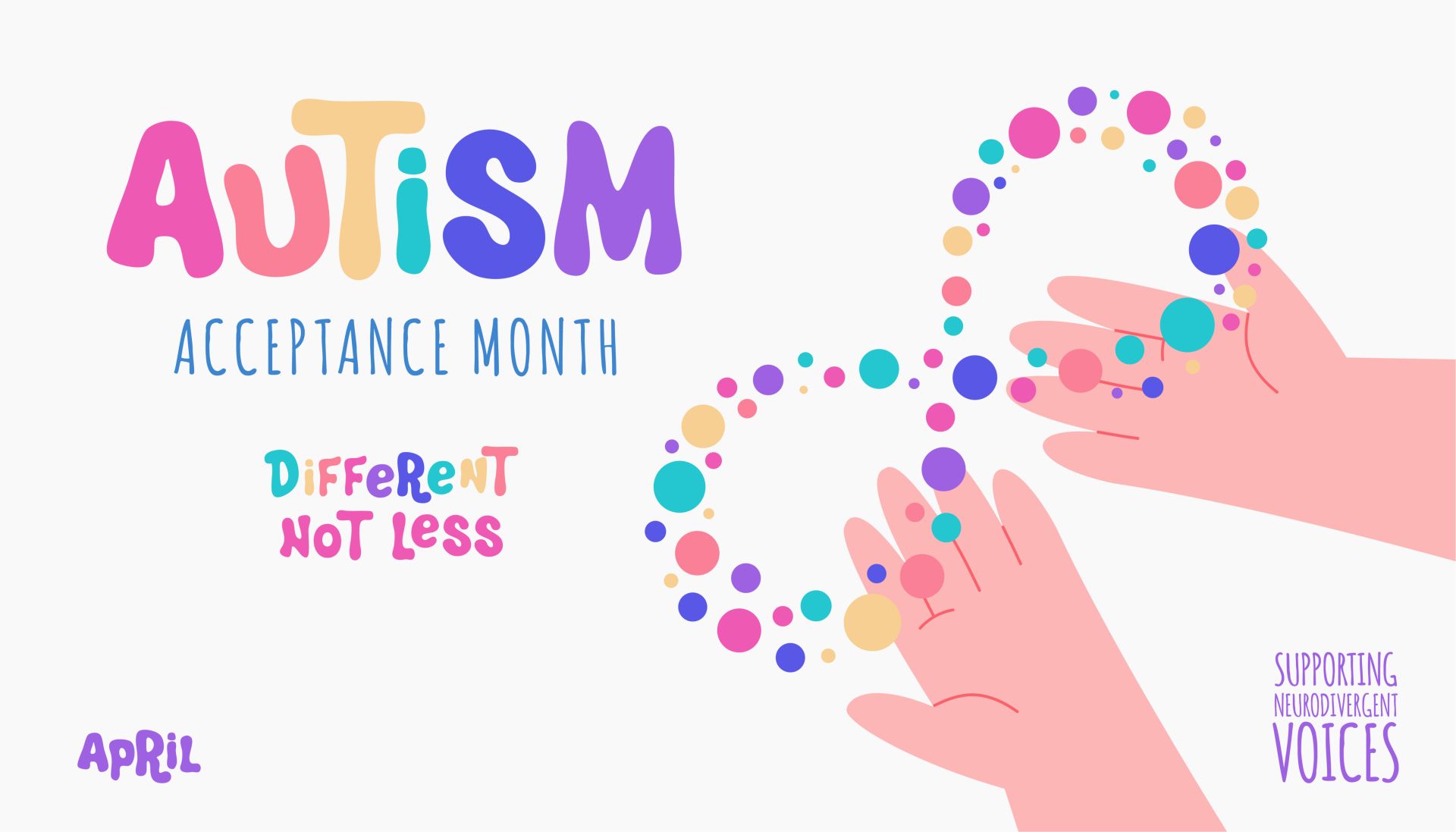
April has arrived, and with it comes an opportunity for nurses to shift the conversation from simply raising awareness about autism to actively building acceptance and inclusion in our communities. This year's themes - "Celebrate Differences" from the Autism Society of America and "Autism and Humanity - Every Life Has Value" from UN World Autism Awareness Day - challenge us to move beyond understanding that autism exists to creating spaces where autistic individuals genuinely belong.
As community health nurses, we occupy a unique position at the intersection of healthcare and community life. We work in schools, visit homes, staff community health centers, and participate in local organizations. This positions us perfectly to lead meaningful change in how our communities support autistic individuals and their families.
As community health nurses, we occupy a unique position at the intersection of healthcare and community life. We work in schools, visit homes, staff community health centers, and participate in local organizations. This positions us perfectly to lead meaningful change in how our communities support autistic individuals and their families.
From Awareness to Acceptance: Understanding the Shift
For years, April focused on autism "awareness" - educational campaigns, puzzle pieces, and statistics about prevalence. While awareness has its place, the autistic self-advocacy community has increasingly called for a shift toward acceptance and accommodation.
Acceptance means recognizing autism as a natural part of human neurodiversity rather than a problem to be fixed. It means creating environments where autistic people can participate fully without having to mask or suppress their authentic selves. It means listening to autistic voices about what they actually need, not what we assume they need.
This shift has profound implications for community health nursing practice. Our role isn't to "cure" or "normalize" autistic individuals - it's to ensure they have equitable access to healthcare, education, social opportunities, and community resources.
Acceptance means recognizing autism as a natural part of human neurodiversity rather than a problem to be fixed. It means creating environments where autistic people can participate fully without having to mask or suppress their authentic selves. It means listening to autistic voices about what they actually need, not what we assume they need.
This shift has profound implications for community health nursing practice. Our role isn't to "cure" or "normalize" autistic individuals - it's to ensure they have equitable access to healthcare, education, social opportunities, and community resources.
The Community Health Nurse as Inclusion Champion
Community health nurses have several distinct advantages in promoting autism acceptance:
We're Trusted Community Members: Research consistently shows that nurses are among the most trusted professionals. When we advocate for inclusion, people listen.
We See the Whole Picture: Unlike specialists who see patients in clinical settings, we see families in their homes and communities. We understand the real-world barriers they face.
We Have Access to Multiple Systems: We work across schools, healthcare facilities, and community organizations, giving us leverage to promote systemic changes.
We Build Long-Term Relationships: Our ongoing relationships with families position us to provide consistent support and advocacy over time.
We're Trusted Community Members: Research consistently shows that nurses are among the most trusted professionals. When we advocate for inclusion, people listen.
We See the Whole Picture: Unlike specialists who see patients in clinical settings, we see families in their homes and communities. We understand the real-world barriers they face.
We Have Access to Multiple Systems: We work across schools, healthcare facilities, and community organizations, giving us leverage to promote systemic changes.
We Build Long-Term Relationships: Our ongoing relationships with families position us to provide consistent support and advocacy over time.
Creating Sensory-Friendly Community Spaces
One of the most practical ways nurses can promote inclusion is by helping community organizations create sensory-friendly environments. Many autistic individuals experience sensory processing differences that make typical community spaces overwhelming.
What Sensory-Friendly Means: Reducing harsh lighting, controlling noise levels, providing quiet spaces for breaks, allowing movement and stimming, and training staff to understand and accommodate different needs.
Where to Start:
Libraries are excellent partners for sensory-friendly initiatives. Many libraries now offer sensory-friendly story times with dimmed lights, lower volumes, and acceptance of movement and sounds from children.
As a community health nurse, you can:
Museums and cultural institutions are increasingly offering sensory-friendly hours. Nurses can facilitate connections between these organizations and local autism support groups to ensure programs meet actual needs.
Recreation centers and community programs benefit from nurse consultation on inclusive practices. Consider offering training to staff about autism acceptance and practical accommodations.
Real-World Example: In a mid-sized Michigan town, a community health nurse partnered with the local YMCA to create a sensory-friendly swimming hour. They dimmed pool area lights, reduced echo with acoustic panels, and trained lifeguards on autism acceptance. Within six months, attendance grew from three families to over twenty, and the program became a model for other communities.
What Sensory-Friendly Means: Reducing harsh lighting, controlling noise levels, providing quiet spaces for breaks, allowing movement and stimming, and training staff to understand and accommodate different needs.
Where to Start:
Libraries are excellent partners for sensory-friendly initiatives. Many libraries now offer sensory-friendly story times with dimmed lights, lower volumes, and acceptance of movement and sounds from children.
As a community health nurse, you can:
- Connect library staff with resources about autism and sensory needs
- Help develop policies that welcome autistic patrons
- Promote sensory-friendly programs to families
- Provide consultation on creating quiet spaces within the library
Museums and cultural institutions are increasingly offering sensory-friendly hours. Nurses can facilitate connections between these organizations and local autism support groups to ensure programs meet actual needs.
Recreation centers and community programs benefit from nurse consultation on inclusive practices. Consider offering training to staff about autism acceptance and practical accommodations.
Real-World Example: In a mid-sized Michigan town, a community health nurse partnered with the local YMCA to create a sensory-friendly swimming hour. They dimmed pool area lights, reduced echo with acoustic panels, and trained lifeguards on autism acceptance. Within six months, attendance grew from three families to over twenty, and the program became a model for other communities.
School Partnerships: Beyond IEPs
Schools are natural partners for community health nurses working on autism inclusion. While school nurses handle day-to-day health needs, community health nurses can support broader inclusion efforts:
Teacher and Staff Education: Offer professional development sessions on autism acceptance, focusing on strengths-based approaches rather than deficit models. Help educators understand that stimming, echolalia, and other autistic traits aren't behaviors to eliminate but natural forms of self-regulation and communication.
Peer Education Programs: Work with schools to develop peer education initiatives where students learn about neurodiversity and inclusion. Research shows that when neurotypical children understand autism as difference rather than deficit, bullying decreases and friendships increase.
Transition Support: Autistic students often struggle with transitions - between classes, between schools, and from school to adult life. Community health nurses can help develop transition protocols that reduce anxiety and support success.
Family Navigation: Help families understand special education rights, access community resources, and connect with support groups. Many families struggle to navigate the complex systems designed to help them.
Teacher and Staff Education: Offer professional development sessions on autism acceptance, focusing on strengths-based approaches rather than deficit models. Help educators understand that stimming, echolalia, and other autistic traits aren't behaviors to eliminate but natural forms of self-regulation and communication.
Peer Education Programs: Work with schools to develop peer education initiatives where students learn about neurodiversity and inclusion. Research shows that when neurotypical children understand autism as difference rather than deficit, bullying decreases and friendships increase.
Transition Support: Autistic students often struggle with transitions - between classes, between schools, and from school to adult life. Community health nurses can help develop transition protocols that reduce anxiety and support success.
Family Navigation: Help families understand special education rights, access community resources, and connect with support groups. Many families struggle to navigate the complex systems designed to help them.
Resource Navigation and Care Coordination
Families of autistic children often describe feeling overwhelmed by the maze of services, appointments, and paperwork required to access support. Community health nurses excel at care coordination and can make a tremendous difference:
Create Comprehensive Resource Guides: Develop and maintain current lists of local resources including diagnostic services, therapists, support groups, recreational programs, and financial assistance options.
Provide System Navigation Support: Help families understand insurance coverage, access state and federal programs, and navigate waiting lists for services.
Connect Families to Each Other: Facilitate support groups or parent-to-parent mentoring programs. Experienced families often provide the most valuable guidance to newly diagnosed families.
Address Healthcare Disparities: Autistic children from minority communities, low-income families, and rural areas face significant barriers to diagnosis and services. Actively work to connect these families with resources and advocate for equitable access.
Create Comprehensive Resource Guides: Develop and maintain current lists of local resources including diagnostic services, therapists, support groups, recreational programs, and financial assistance options.
Provide System Navigation Support: Help families understand insurance coverage, access state and federal programs, and navigate waiting lists for services.
Connect Families to Each Other: Facilitate support groups or parent-to-parent mentoring programs. Experienced families often provide the most valuable guidance to newly diagnosed families.
Address Healthcare Disparities: Autistic children from minority communities, low-income families, and rural areas face significant barriers to diagnosis and services. Actively work to connect these families with resources and advocate for equitable access.
Leading Community Screening and Early Identification
Early identification of autism allows for earlier support and intervention. Community health nurses can expand access to screening:
Partner with Pediatric Practices: Offer to conduct developmental screenings at well-child visits in underserved communities or provide screenings at community health fairs.
Mobile Screening Programs: Bring screening services to communities with limited healthcare access - WIC offices, Head Start programs, homeless shelters, and rural community centers.
Cultural Competence in Screening: Ensure screening tools and processes are culturally appropriate. Work with interpreters when needed and understand that autism may be understood differently across cultures.
Follow-Up Support: Screening is only valuable if connected to appropriate follow-up. Develop clear referral pathways and provide families with guidance on next steps.
Important Caveat: Screening should always be done respectfully, with clear communication to families about purpose and potential outcomes. The goal is supporting families, not labeling children.
Partner with Pediatric Practices: Offer to conduct developmental screenings at well-child visits in underserved communities or provide screenings at community health fairs.
Mobile Screening Programs: Bring screening services to communities with limited healthcare access - WIC offices, Head Start programs, homeless shelters, and rural community centers.
Cultural Competence in Screening: Ensure screening tools and processes are culturally appropriate. Work with interpreters when needed and understand that autism may be understood differently across cultures.
Follow-Up Support: Screening is only valuable if connected to appropriate follow-up. Develop clear referral pathways and provide families with guidance on next steps.
Important Caveat: Screening should always be done respectfully, with clear communication to families about purpose and potential outcomes. The goal is supporting families, not labeling children.
Organizing Inclusive Community Events
Community health nurses often coordinate health fairs, educational events, and community gatherings. These can model inclusion:
Empty space, drag to resize
Autism-Friendly Event Planning:
- Provide advance schedules and social stories so families know what to expect
- Create quiet spaces for breaks
- Train volunteers on autism acceptance
- Offer sensory-friendly activities alongside standard programming
- Use visual supports and clear signage
- Welcome stims, movement, and alternative communication methods
- Avoid assumptions about what autistic attendees can or cannot do
Empty space, drag to resize
Celebrate Autistic Culture: April events should celebrate autistic individuals, not just educate about autism. Include autistic speakers, showcase autistic artists and authors, and highlight autistic achievements across all fields.
Organizing Inclusive Community Events
Perhaps the most important principle in autism acceptance work is: Nothing About Us Without Us. This means including autistic adults in planning, implementing, and evaluating all autism-related initiatives.
How to Include Autistic Voices:
How to Include Autistic Voices:
- Invite autistic adults to serve on planning committees
- Pay autistic consultants and speakers for their expertise
- Provide multiple ways to communicate (verbal, written, AAC)
- Be flexible about meeting formats and sensory needs
- Actually listen and implement feedback, even when it challenges your assumptions
Local Connections: Connect with local or regional autism self-advocacy organizations. The Autistic Self Advocacy Network has chapters across the U.S. Many communities have local autistic-led groups.
Addressing Common Misconceptions
Part of promoting acceptance involves gently correcting misconceptions. As trusted community voices, nurses can help shift harmful narratives:
Myth: Autism is caused by vaccines or parenting Reality: Autism is neurodevelopmental with strong genetic components. This myth has been thoroughly debunked but persists, causing harm to both autistic individuals and public health efforts.
Myth: Autistic people lack empathy Reality: Many autistic people experience deep empathy but may express it differently than neurotypical people expect.
Myth: All autistic people are the same Reality: The autism spectrum is genuinely a spectrum - autistic people have diverse strengths, challenges, communication styles, and support needs.
Myth: Autism only affects children Reality: Autistic children become autistic adults. Many adults are diagnosed later in life after years of struggling without understanding why.
Myth: Autism is caused by vaccines or parenting Reality: Autism is neurodevelopmental with strong genetic components. This myth has been thoroughly debunked but persists, causing harm to both autistic individuals and public health efforts.
Myth: Autistic people lack empathy Reality: Many autistic people experience deep empathy but may express it differently than neurotypical people expect.
Myth: All autistic people are the same Reality: The autism spectrum is genuinely a spectrum - autistic people have diverse strengths, challenges, communication styles, and support needs.
Myth: Autism only affects children Reality: Autistic children become autistic adults. Many adults are diagnosed later in life after years of struggling without understanding why.
Supporting Autistic Adults
Much autism-focused work centers on children, but autistic adults also need community support:
Employment Support: Partner with local businesses to promote inclusive hiring practices and workplace accommodations.
Healthcare Access: Many autistic adults struggle to access healthcare due to sensory sensitivities, communication differences, and previous negative experiences. Work with local healthcare providers to develop autism-friendly practices.
Social Connections: Support development of autistic-led social groups and recreational opportunities designed by and for autistic adults.
Independent Living: Connect autistic adults with resources for independent or supported living, financial management, and navigating adult systems.
Employment Support: Partner with local businesses to promote inclusive hiring practices and workplace accommodations.
Healthcare Access: Many autistic adults struggle to access healthcare due to sensory sensitivities, communication differences, and previous negative experiences. Work with local healthcare providers to develop autism-friendly practices.
Social Connections: Support development of autistic-led social groups and recreational opportunities designed by and for autistic adults.
Independent Living: Connect autistic adults with resources for independent or supported living, financial management, and navigating adult systems.
Empty space, drag to resize
Growing Forward
Building truly inclusive communities requires sustained effort, not just annual awareness campaigns. As community health nurses, we have both the opportunity and the responsibility to lead this work.
Start small if needed. Partner with one library for one sensory-friendly program. Train one school staff on autism acceptance. Connect one family to support services. Each action creates ripples that extend far beyond the immediate impact.
Most importantly, center autistic voices in all your work. Listen to what autistic individuals say they need, not what you assume they need. Celebrate autistic strengths and culture, not just challenges and deficits. Work toward a world where autistic people can thrive as their authentic selves.
This April, let's move beyond awareness to action. Let's build communities where every life truly has value and differences are genuinely celebrated.
Start small if needed. Partner with one library for one sensory-friendly program. Train one school staff on autism acceptance. Connect one family to support services. Each action creates ripples that extend far beyond the immediate impact.
Most importantly, center autistic voices in all your work. Listen to what autistic individuals say they need, not what you assume they need. Celebrate autistic strengths and culture, not just challenges and deficits. Work toward a world where autistic people can thrive as their authentic selves.
This April, let's move beyond awareness to action. Let's build communities where every life truly has value and differences are genuinely celebrated.
Resources for Community Health Nurses:
-
Autistic Self Advocacy Network: https://autisticadvocacy.org
-
Autism Society of America: https://autismsociety.org
-
Association of University Centers on Disabilities: https://www.aucd.org
Empty space, drag to resize
Note on Language: This post uses identity-first language ("autistic person") preferred by many in the autistic community, while recognizing that some individuals prefer person-first language ("person with autism"). When working with individuals and families, ask about their preference.
Explore
-
About
-
Education Resources
-
Solutions
-
Pricing
-
Staff Login Page
-
New CE Programs
-
Referral Reward/Discount
Contact
-
My Education Resources and Solutions, LLC
-
PO Box 39566
Greensboro, NC 27438 -
hello@myerscomplete.com
-
(336) 988-7076
Become a member
Your gateway to advanced, cloud-based CE solutions.