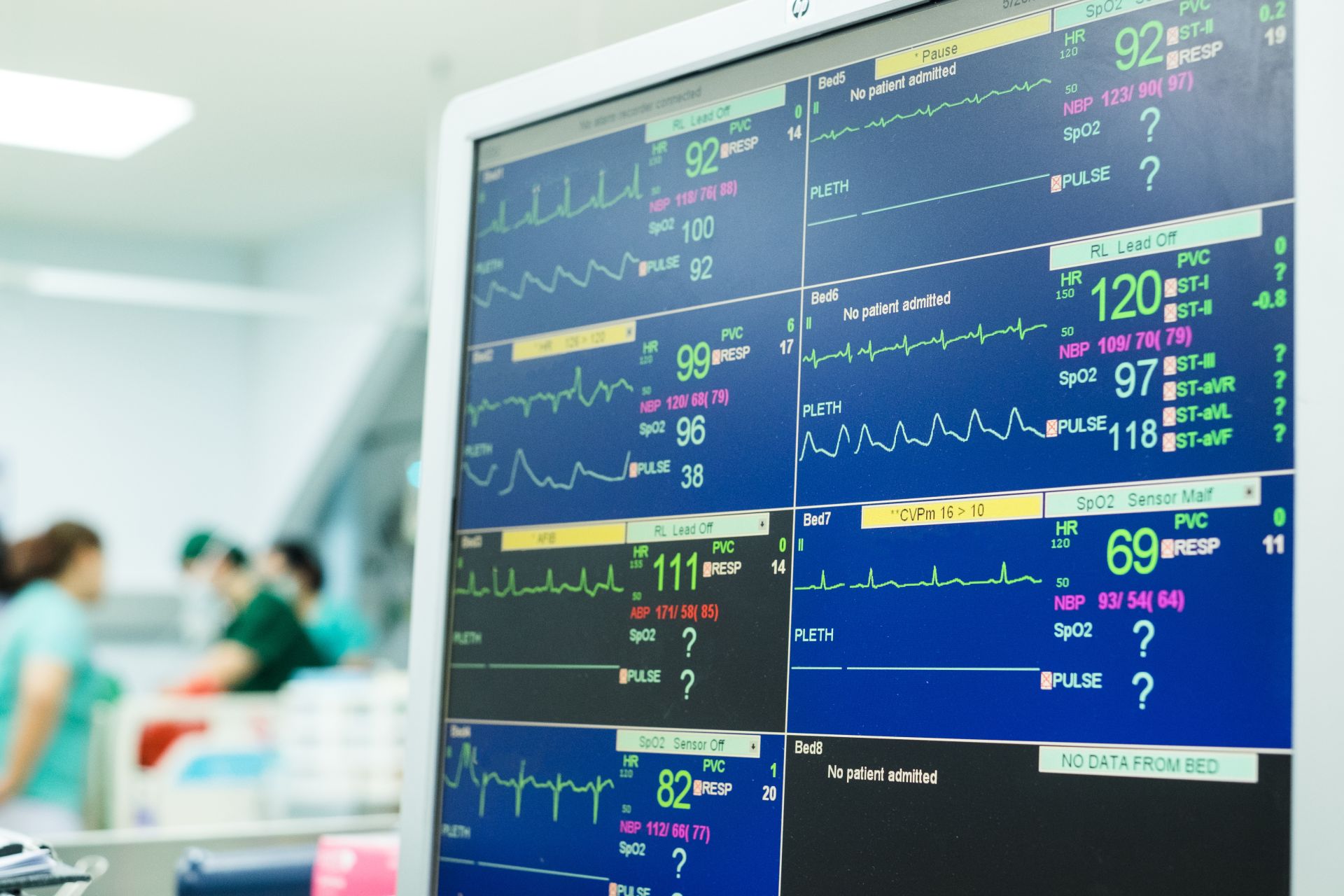
Sharpening Rapid Decision-Making When Alarms Are Screaming
Patient Safety Awareness Week (March 8–14, 2026) shines a spotlight on "Team Up for Patient Safety," emphasizing collaboration to reduce risks and improve outcomes. One of the most persistent challenges in this area is
alarm fatigue - the desensitization that occurs when clinicians hear hundreds (or thousands) of alarms per shift, many of them false or non-actionable.
Research consistently shows that 72–99% of alarms in acute care settings are false or insignificant, leading to delayed responses, missed critical events, and heightened stress. In high-acuity environments like ICUs and cardiac units, nurses can face
350+ alarms per patient per day, with moderate levels of alarm fatigue commonly reported among staff. This noise overload impairs rapid decision-making: slower reaction times, selective ignoring of alarms, and cognitive strain all increase the risk of errors.
The good news? You can sharpen your rapid decision-making even when alarms are screaming. Here are evidence-based strategies to stay sharp and keep patients safe.
Don’t let the monitor dictate your response. When multiple alarms sound simultaneously:
- Quickly run through Airway, Breathing, Circulation (ABCs) for the patient(s) involved.
- Ask: “Does this alarm match what I see/hear/feel at the bedside?” A yellow SpO₂ alarm in a stable patient on supplemental O₂ may not need immediate action, while a sudden red heart rate drop in a post-op patient does.
- Use the Situation-Background-Assessment-Recommendation (SBAR) framework mentally in seconds to organize your thinking before acting or delegating.
Many alarms are preventable with small, consistent habits:
- Customize thresholds to the patient’s baseline (e.g., wider SpO₂ parameters for chronic COPD patients).
- Set appropriate delay times (e.g., 15–30 seconds for transient changes) to filter out brief artifacts.
- Ensure proper sensor placement and skin prep - loose leads or poor contact cause the majority of false technical alarms.
- Silence non-critical alarms briefly during procedures or rounds, but always reassess.
Alarm fatigue thrives in isolation. Strengthen your unit’s response:
-
Agree on clear escalation paths: Who handles what? (e.g., primary nurse first, then charge or rapid response).
- Use smart notification systems (if available) that route alarms directly to the responsible nurse’s device before broadcasting unit-wide.
- Conduct brief huddles after high-alarm events: “What triggered this cascade? How can we prevent it next time?”
- Leverage emerging tools: AI-assisted filtering, predictive analytics for instability, and centralized dashboards that reduce unnecessary noise.
Rapid decisions require mental clarity. Guard against fatigue:
- Take micro-breaks (30–60 seconds) between tasks to reset.
- Practice controlled breathing (e.g., 4-7-8 technique) when alarms spike.
- Recognize when you’re overwhelmed - ask a colleague to double-check or take over an alarm.
-
Pause & Scan: ABCs first - life-threatening first.
-
Verify at Bedside: Look, listen, touch - does the patient look/act unstable?
-
Classify: Actionable vs. nuisance? Critical vs. advisory?
-
Act or Delegate: Immediate intervention, silence & reassess, or call for help.
-
Document & Debrief: Note rationale; review later to refine protocols.
Alarm fatigue isn’t a personal failing - it’s a systems issue. By combining individual vigilance, bedside habits, team protocols, and emerging tech, you can cut through the noise and make faster, safer decisions. This Patient Safety Awareness Week, commit to one small change (customize one patient’s thresholds, lead a quick huddle, or practice your ABC pause) that sharpens your edge when alarms are screaming.
What’s your go-to strategy when alarms go wild?